 KIF-OD – In-Depth Insights, News & Analysis for Curious Minds
 KIF-OD – In-Depth Insights, News & Analysis for Curious Minds
In a stunning victory in Batumi, Georgia, 19-year-old Divya Deshmukh has etched her name in the annals of Indian chess history. Overcoming a field of formidable opponents, she secured India's first-ever Women's World Cup title. What makes this triumph even more remarkable is the presence of her unusual companion: a banana.
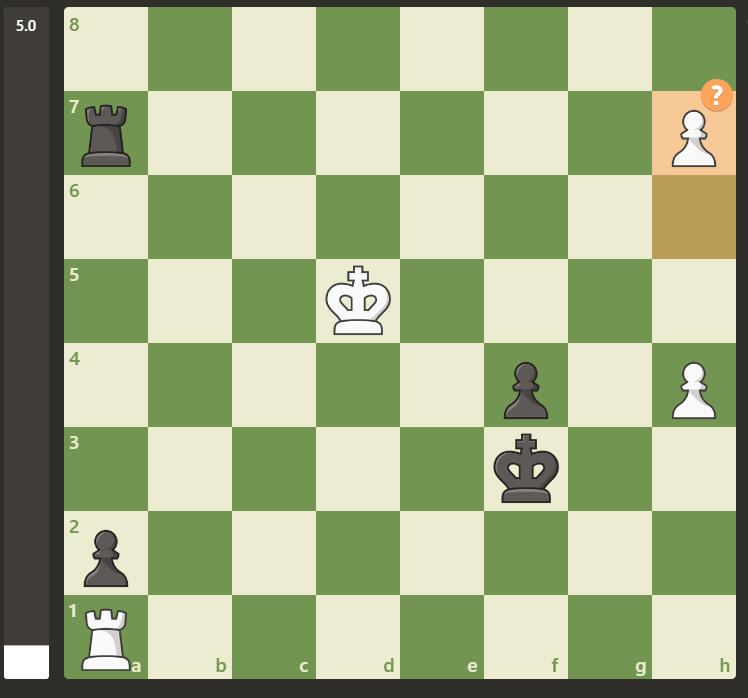
The final handshake triggered an outpouring of emotions for Deshmukh, marking a monumental achievement for both her and her nation. The unassuming fruit remained untouched throughout the nail-biting tension and ultimate triumph, becoming a silent witness to a historic day for Indian chess.
Traditionally, the player with the White pieces holds an advantage in chess due to the first move. However, Divya, playing with the Black pieces in the decisive rapid tie-break against the experienced 38-year-old Grandmaster (GM) Koneru Humpy, defied convention. The preceding classical and rapid games had all ended in draws, intensifying the pressure on both players.
The game unfolded with each move carrying immense weight. Humpy faltered under the relentless time pressure on move 40, giving Divya a crucial opening.
Humpy's sequence, 40.e4 followed by 41.d5, forced Divya to play 42...cxd5, and the veteran survived the first time. But it was not the last.
The game continued on a razor's edge, with both players exhibiting a mix of brilliance and blunders, driven more by instinct than precise calculation as the clock ticked down ominously. When Humpy played 69.h7, the evaluation bar dropped again but never climbed back in her favour. Six moves later, the two-time World Rapid champion resigned. This monumental moment marked the crowning of a new champion, India's 88th GM.
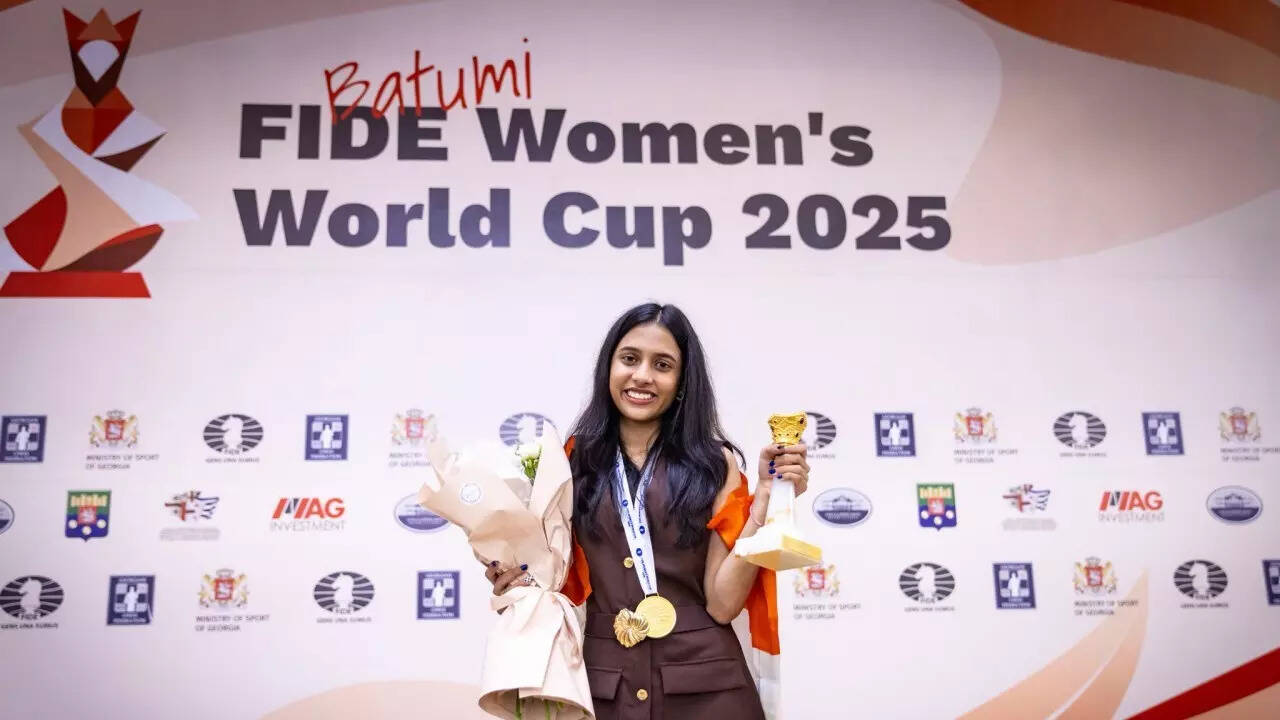
Seeded 15th in the tournament, the teenager, who had not yet achieved any Grandmaster norms, accomplished something extraordinary. She became only the fourth Indian woman, after Humpy, D Harika, and R Vaishali, to earn the title of Grandmaster. However, unlike the others, she achieved this feat in one fell swoop, bypassing the accumulation of three GM norms.
Throughout the tournament, a constant presence in Divya's games was the banana. This seemingly ordinary fruit accompanied the Indian prodigy round after round, sparking curiosity and amusement among spectators.
When questioned about the banana after the draw in the second classical game of the final, Divya responded with a touch of humor, "I mean, what else am I going to do with the banana? I'm going to eat it. I don't know what you're wondering about. I'm going to eat it, obviously.” Yet, she never did.
“My opponents are never letting me eat it,” she smiled, when pressed further. “If I start eating a banana, then you should know that I’m pretty relaxed in my body.” Since relaxation was not an option, the banana served as her anchor amidst the chaos.
When asked if the banana brought her luck, she playfully dismissed the idea with a quick "No!" Nonetheless, the banana remained a steadfast companion, just centimeters away, as Divya triumphed over a player twice her age, capturing the admiration of chess legends and the hearts of a nation.
While Divya may not have taken a bite of the banana, she has won something far more rewarding: a gold medal. Divya Deshmukh conquered Batumi, and in a way, so did the banana.
Newer articles
Older articles

 Jofra Archer Returns to England Test Squad After Four-Year Absence
 Deepti Sharma Opts Out of The Hundred 2025 Amid Heavy Workload; Knott Named Replacement
 Rating the new attacking signings: Sesko, Pedro, Gyökeres, more
 Jamie Overton takes indefinite break from red-ball cricket
Goalkeeper Senne Lammens joins Man United from Antwerp - sources
Jamie Overton takes indefinite break from red-ball cricket
Goalkeeper Senne Lammens joins Man United from Antwerp - sources
 Rahul Regrets Pant's Costly Run-Out Before Lunch, Shifting Momentum in Lord's Test
 Kajol's Hilarious Take on Ajay Devgn Look-Alike Meme Goes Viral: 'Singham Will Flip Out!'
 Conway Replaces Injured Allen; New Zealand Adds Depth for Tri-Series Tournament
 Siraj Hit With Fine, Demerit Point for Duckett Send-Off at Lord's Test
India vs Iran LIVE: Updates, Score, Commentary from the 2025 CAFA Nations Cup
Siraj Hit With Fine, Demerit Point for Duckett Send-Off at Lord's Test
India vs Iran LIVE: Updates, Score, Commentary from the 2025 CAFA Nations Cup